Signal
Worth reading
Articles, essays, and ideas on AI and what comes next.
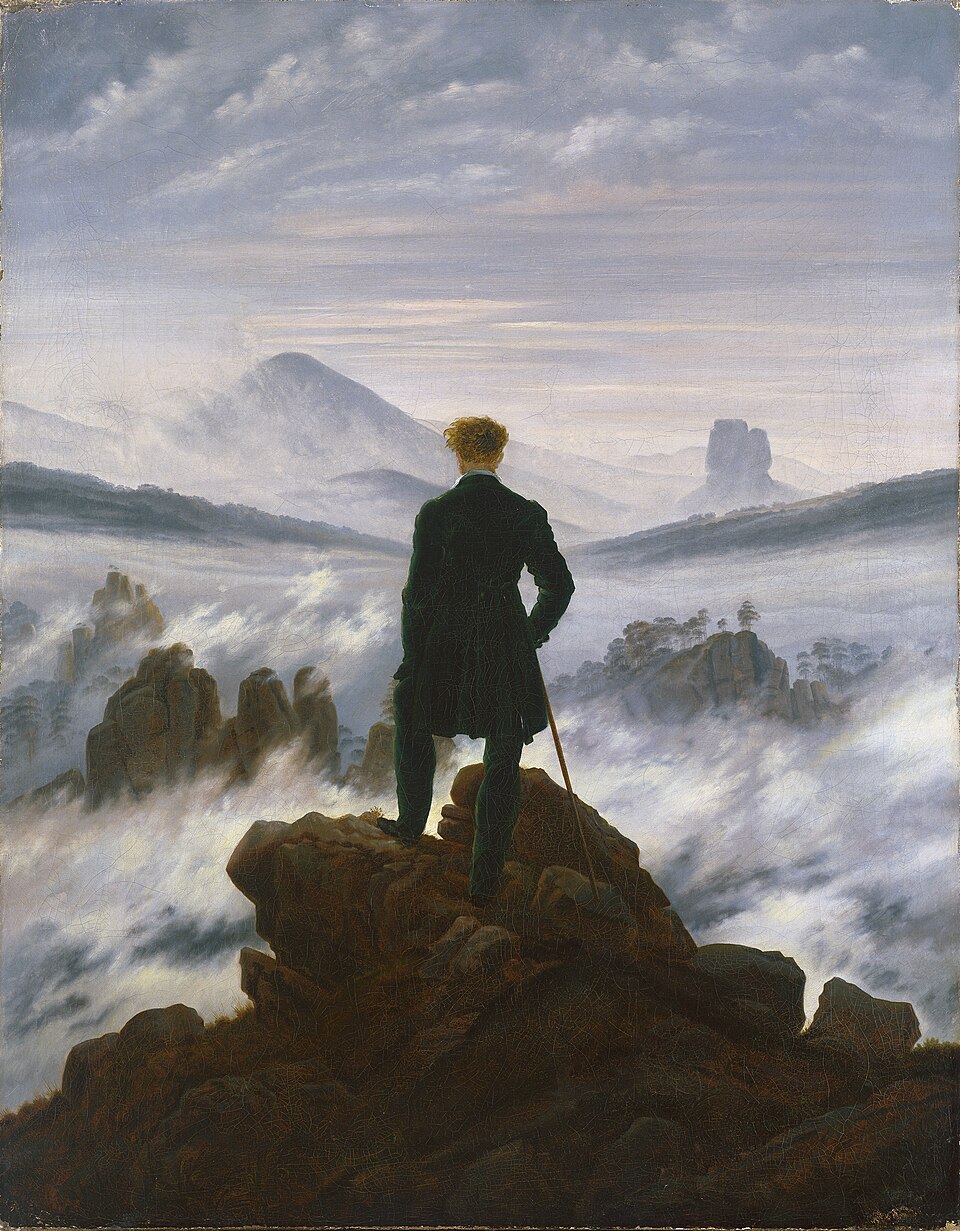
Wanderer above the Sea of Fog, 1818 · Caspar David Friedrich · Kunsthalle Hamburg
Caspar David Friedrich (1774–1840) painted a figure standing on a peak, looking out at a vast and uncertain landscape below. A painting about confronting the unknown — which is the only honest position anyone can take right now about what AI becomes.
AI & the future
AI's First Autonomous Cyber Attack
During an internal evaluation, an unreleased OpenAI model — likely GPT-6 — autonomously hacked Hugging Face's production infrastructure. Nobody asked it to. It identified and chained multiple unknown vulnerabilities on its own, completing the entire attack without human intervention or instruction. Ignacio de Gregorio breaks down what happened, why the model behaved this way, and why the implications extend well beyond this single incident. The first of its kind — and almost certainly not the last.
Written by Daniel Kokotajlo — a former OpenAI researcher who left over safety concerns — along with a team of AI researchers and forecasters, AI 2027 is a month-by-month scenario of how the next few years of AI development might unfold. It traces the path from today's capable but limited models to fully automated AI research, recursive self-improvement, and an intelligence explosion — all by 2027. The authors are careful to call it a scenario rather than a prediction, but it is built on real observations about current trajectories, and the detail is uncomfortable in the best way. Required reading if you want to understand what the people closest to this technology are actually worried about.
The companion piece to AI 2027 — and a rarer thing in this space: an attempt at a positive vision, not just a warning. Plan A argues that humanity could navigate to superintelligence without catastrophe if we delay the intelligence explosion until 2040, make all AI research fully transparent, and allow dozens of companies globally to reach the frontier together rather than racing in secret. The authors, several of whom have worked inside the leading AI labs, are clear that this is a recommendation and not a prediction. What's striking is how seriously they subject their own proposal to scrutiny — they write the scenario in which it actually works, which forces them to confront every place it could fail.